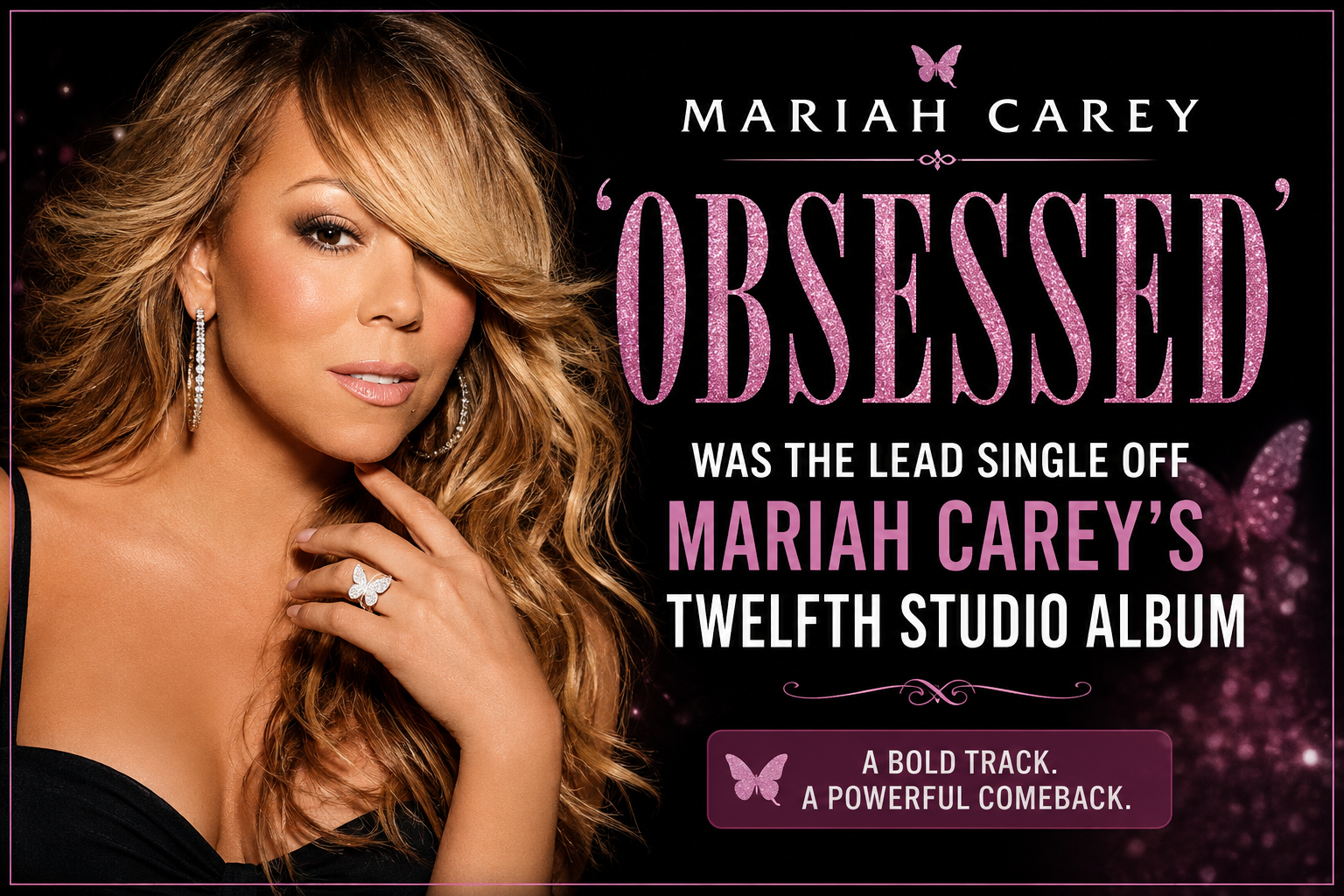
Mariah Carey has remained one of the most influential voices in modern pop and R&B, with a career spanning decades and countless chart-topping hits. Among her later-career releases, “Obsessed” stands out as a cultural moment that continues to be discussed, shared, and referenced across generations of listeners. "Obsessed" was the lead single off Mariah Carey's twelfth studio album and quickly became more than just a promotional track—it evolved into a viral statement of confidence, humor, and pop culture commentary.
Released during a period when digital media and internet memes were beginning to shape mainstream music conversations, “Obsessed” captured attention not only for its catchy production but also for its bold lyrical tone. The song is widely interpreted as a response to public speculation and media narratives surrounding Carey’s personal life. Instead of addressing controversy in a traditional or defensive manner, she transformed it into a polished, confident anthem with playful sarcasm and self-assured delivery.
One of the key reasons behind the enduring popularity of “Obsessed” is its ability to bridge music and internet culture. The song’s lyrics and visual storytelling in the music video sparked widespread discussion, particularly the now-iconic character portrayal that fans connected to real-life speculation. This added a layer of intrigue that kept audiences engaged far beyond the initial release cycle.
Musically, “Obsessed” blends pop and R&B elements with a hypnotic beat that complements its repetitive hook. This structure made it highly memorable and easily adaptable for remixes, edits, and short-form content in later years. As social media platforms grew, the track experienced renewed life through memes, challenges, and reaction videos, proving its adaptability to changing digital landscapes.
Another important factor in its longevity is Mariah Carey’s established reputation as a vocal powerhouse and cultural icon. Fans and critics alike often revisit her discography, and “Obsessed” frequently appears in discussions about her most distinctive modern-era hits. The song also gained additional attention due to its remix featuring rapper Gucci Mane, which expanded its reach into different musical audiences and further solidified its place in early 2010s pop culture.
Beyond entertainment value, “Obsessed” represents a strategic example of how artists can use music as narrative control. Instead of allowing external commentary to define her image, Carey used the track to reshape the conversation on her own terms. This approach resonated with audiences who appreciated its humor, confidence, and subtle defiance.
In the years since its release, “Obsessed” has maintained relevance through streaming platforms and nostalgic rediscovery. It continues to appear on curated playlists and social media edits, often introduced to younger listeners who were not part of its original release era. Its continued visibility demonstrates how a well-crafted pop song can transcend its initial moment and remain culturally significant long after its debut.
Ultimately, the lasting appeal of “Obsessed” lies in its combination of catchy production, cultural timing, and Mariah Carey’s unmistakable artistic identity. It is more than just a single from her twelfth studio album—it is a defining piece of her modern legacy and a reminder of how pop music can shape and reflect cultural conversations.